
War impact on US gas prices 2026 is no longer a distant concern—it’s at the pump today. Brent crude has surged past $100 per barrel following the closure of the Strait of Hormuz, through which 20% of the world’s oil supplies flow. For American families, this translates directly to higher fuel bills and stretched budgets.
The conflict in the Middle East has created a supply shock that ripples through global markets, and U.S. drivers are feeling it every time they fill up. With gasoline prices jumping 7.5% to levels not seen since late 2023, the connection between distant war zones and your local gas station has never been clearer.
Understanding the War Impact on US Gas Prices 2026
The war impact on US gas prices 2026 is being felt at every pump across the country. With Brent crude above $100, American families are paying the price. But how exactly does a conflict thousands of miles away translate to higher costs at your local station?
The Numbers Behind the Spike
The Strait of Hormuz closure—carrying 20% of global oil—has pushed prices to multi-year highs. This is the primary driver of the war impact on US gas prices 2026.
The largest weekly increase since 2023, bringing national averages to their highest level in over two years. This direct war impact on US gas prices 2026 is hitting families hard.
Analysts warn that prolonged conflict could add nearly a full percentage point to global inflation, complicating Fed policy. The broader war impact on US gas prices 2026 extends beyond the pump.
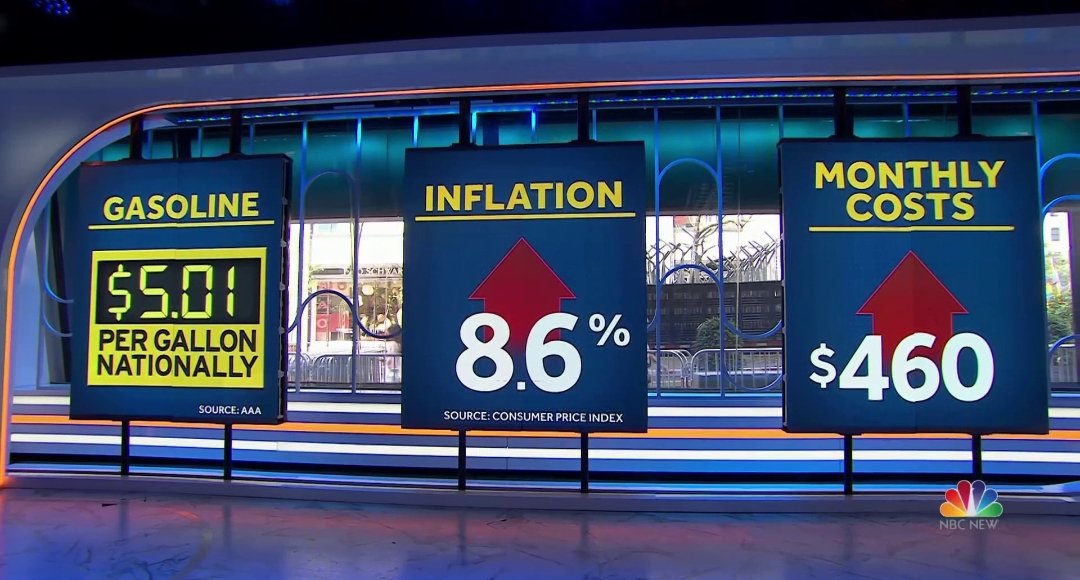
American households now spend an average of $460 monthly on gasoline—up significantly from early 2026. This is the real-world war impact on US gas prices 2026 for millions.
How a War 7,000 Miles Away Hits Your Wallet
The Hormuz Factor
The Strait of Hormuz is the world’s most critical oil chokepoint. When tensions close or threaten this passage, oil buyers panic. Brent crude, the global benchmark, responds immediately—and U.S. gas prices follow within 2-3 weeks. This time, the reaction was faster: prices at the pump began climbing within days, demonstrating the immediate war impact on US gas prices 2026.
Inflation’s Second Wave
Economists are now watching for broader inflationary effects. “If oil stays above $100 for more than a month, we’ll see it ripple through every sector—transportation, manufacturing, retail,” says Mark Williams, former Fed economist. “The 0.8% inflation addition we’re projecting means the Fed may delay rate cuts, keeping borrowing costs higher for longer.” This secondary war impact on US gas prices 2026 affects everything from groceries to mortgages.
What This Means for Your Monthly Budget
For the average American driver, the 7.5% gas price increase translates to an extra $35-50 per month at the pump. For families with long commutes or multiple vehicles, that number can exceed $100. This isn’t just about gas—it’s about reduced disposable income, tighter grocery budgets, and tougher choices.
Real Americans, Real Impact
David from Michigan: “I’m Driving Less”
David, a 52-year-old contractor from Detroit, covers 600 miles weekly for work. “Last month, I was paying $3.80 a gallon. Now I’m at $4.60. That’s $120 extra out of my pocket every month. I’ve started combining trips and driving less on weekends. It’s affecting my business and my family time.” David’s story reflects the personal war impact on US gas prices 2026.
Linda from Florida: “Grocery Bills Are Climbing”
Linda, a retired teacher in Orlando, notices the indirect effects. “My grocery bill is up 15% in two months. The store manager told me it’s transportation costs. Everything from milk to bread costs more because of fuel surcharges.” This indirect war impact on US gas prices 2026 affects every American consumer.
Expert Warnings
- Goldman Sachs: “Prolonged Hormuz closure could push Brent to $120 and add 1% to global inflation, amplifying the war impact on US gas prices 2026.”
- Federal Reserve: “Supply shocks complicate monetary policy; rate cuts may be delayed if inflation persists. The war impact on US gas prices 2026 is a key factor in our projections.”
- AAA: “Gas prices could rise another 10-15 cents if the conflict escalates further. The war impact on US gas prices 2026 is not over yet.”
Plan Your Finances with Our Free Tools
Use these calculators to see how rising costs affect your specific situation:
Verified Sources & Further Reading
Frequently Asked Questions
How quickly do oil price spikes reach U.S. gas pumps?
Typically 2-3 weeks, but regional variations exist. Some areas adjust faster due to local refining and competition. According to the EIA, the transmission speed depends on refinery capacity and inventory levels. This transmission speed determines how quickly the war impact on US gas prices 2026 reaches you.
Will this affect my mortgage or loan rates?
Possibly. If inflation rises, the Fed may keep rates higher longer, affecting variable-rate loans and new mortgages. Check our Mortgage Calculator to see potential impacts. This is an indirect war impact on US gas prices 2026 through inflation.
How long could high prices last?
That depends on the conflict’s duration. Historical precedents suggest 3-6 months of elevated prices if chokepoints remain threatened. The Federal Reserve monitors these situations closely. The duration of the war impact on US gas prices 2026 is uncertain.
What can I do to protect my budget?
Consider refinancing fixed-rate loans if possible, reduce discretionary driving, and use our Loan Affordability Calculator to stress-test your budget against higher costs. Planning ahead can mitigate the war impact on US gas prices 2026.
Are there government programs to help with fuel costs?
The Benefits.gov lists energy assistance programs for eligible households. Check with your state’s energy office for local resources. These programs can help offset the war impact on US gas prices 2026 for qualifying families.
Protecting Your Wallet in Uncertain Times
The connection between global conflict and your monthly fuel bill is real and immediate. With Brent above $100, gas up 7.5%, and inflation risks mounting, American families face tough choices.
Staying informed and planning ahead is your best defense. Use our free tools to understand how these changes affect your loans, savings, and overall financial health.
War impact on US gas prices 2026 is today’s reality—but with smart planning, you can navigate it.
See How Higher Costs Affect You
Try our Loan Affordability Calculator to adjust your budget.
Calculate Now →Disclaimer: This article is for informational purposes only and does not constitute financial, legal, or tax advice. Loan Logic Tool provides educational calculators and guides. Always consult a qualified professional for personalized financial advice.
Sources: U.S. Energy Information Administration (eia.gov), AAA, Federal Reserve, Bloomberg, Consumer Price Index (bls.gov/cpi), Council on Foreign Relations.