
The global energy landscape shifted dramatically this week. As the Iran conflict escalates, two critical events are converging to create a perfect storm for American families: Iraq’s potential cut of over 3 million barrels of oil per day, and Qatar’s halt of liquefied natural gas (LNG) exports. The impact on oil and gas prices 2026 will be felt from the gas pump to your home heating bill.
According to Reuters, Iraqi officials warn they may be forced to cut production by more than 3 million barrels daily within days if shipping through the Strait of Hormuz remains blocked. Meanwhile, the Financial Times reports that Asian natural gas prices have already jumped 65% following the halt of Qatari LNG production. For the average American household, this means the oil and gas prices 2026 surge is just beginning.
• Iraq potential oil cut: 3+ million barrels/day
• Qatar LNG exports: Halted (20% of global supply)
• Asian natural gas price: ↑ 65%
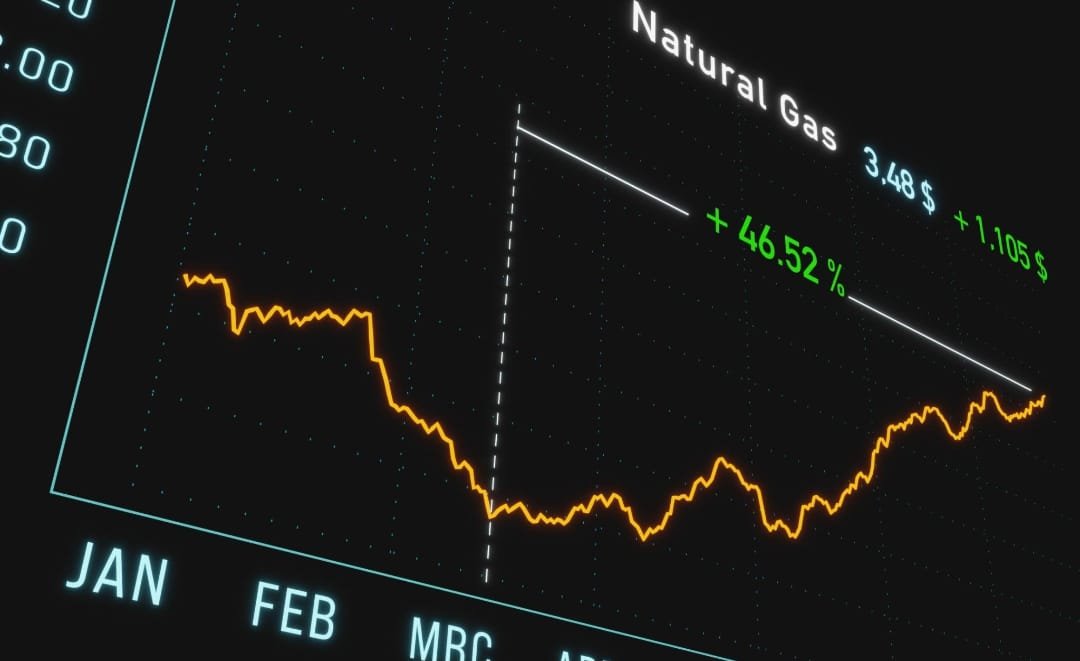
• Current US natural gas price: $3.48/MMBtu (+$1.10 this week)
• Projected winter heating cost increase: 25-40%
1. The Iraq Oil Crisis: 3 Million Barrels at Risk
The Strait of Hormuz, through which about 20% of global oil passes, has become a war zone. For Iraq, this is catastrophic. According to Reuters, Iraqi officials stated they will be forced to cut production by over 3 million barrels per day within days if tankers cannot move. Iraq’s total production is around 4.3 million barrels per day, meaning a 70%+ reduction is imminent.
This is not just a number. Three million barrels per day is roughly 3% of global supply. When supply tightens, oil and gas prices 2026 react instantly. The impact on US gasoline prices will be significant, potentially adding $0.50-$1.00 per gallon in the coming weeks. Use our Monthly Payment Calculator to see how this extra cost affects your budget.
2. The Qatar LNG Halt: A Global Gas Shock
As if the oil crisis weren’t enough, Qatar—one of the world’s largest exporters of liquefied natural gas (LNG)—has halted production. According to the Financial Times, Asian spot gas prices have already jumped 65%. But the impact won’t stay in Asia. The US is a major LNG exporter, and global prices influence domestic markets.
American households rely on natural gas for 50% of home heating and nearly 40% of electricity generation. With oil and gas prices 2026 spiking, your winter heating bills could rise by 25-40% if the crisis persists. The chart above shows natural gas jumping $1.10 in just days—a 46% increase.
3. How This Affects American Families
Let’s break down the real-world impact of higher oil and gas prices 2026:
- Gasoline: The average American drives 12,000 miles/year. At 25 mpg, that’s 480 gallons. A $0.75/gallon increase adds $360/year to your fuel costs.
- Home Heating: Average annual natural gas bill is about $700. A 30% increase adds $210/year.
- Electricity: With 40% of power from gas, expect rate hikes. Average monthly bill of $150 could rise by $15-20/month.
- Food & Goods: Higher energy costs ripple through the economy, raising prices on everything.
For a typical family, this crisis could add $800-$1,200 annually to essential costs.
4. Three Scenarios for Oil and Gas Prices 2026
Based on current events, here are three possible outcomes:
🟢 Scenario 1: Quick Resolution (Unlikely)
If the conflict de-escalates and shipping resumes within weeks, oil could fall back to $70-80/barrel, and gas prices may stabilize. However, with the scale of the conflict, this is optimistic.
🟡 Scenario 2: Prolonged Crisis (Most Likely)
If the Strait of Hormuz remains closed for months, oil could hit $120-150/barrel. Natural gas prices could double, with US heating bills rising 40-60%. This would strain household budgets and likely trigger a recession.
🔴 Scenario 3: Escalation (Worst Case)
If the conflict widens to include Saudi Arabia or other major producers, oil could exceed $200/barrel, and gas prices could triple. This would be a catastrophic economic shock.
Most analysts currently expect the second scenario—a prolonged but contained crisis.
5. What You Can Do to Protect Your Budget
While you can’t control oil and gas prices 2026, you can take steps to mitigate the impact:
🚗 Transportation
- Combine trips: Reduce unnecessary driving.
- Maintain your car: Proper tire pressure and tune-ups improve mileage by 5-10%.
- Consider carpooling or remote work if possible.
🏠 Home Energy
- Lower your thermostat: Each degree saves 1-3% on heating costs.
- Seal drafts: Weatherstripping and caulking can reduce heat loss by 10-20%.
- Use a programmable thermostat to reduce usage when you’re away.
- Consider energy-efficient upgrades (insulation, windows) for long-term savings.
💰 Financial Planning
- Review your budget: Use our Savings Goal Calculator to identify areas to cut.
- Build an emergency fund: If you don’t have 3-6 months of expenses saved, start now.
- Lock in fixed rates: If you have variable-rate debt, consider refinancing. Use our Refinance Calculator to compare options.
The Bottom Line: Prepare, Don’t Panic
The surge in oil and gas prices 2026 is real, and it will affect your family’s budget. But panic won’t help. By understanding the situation, adjusting your energy use, and reviewing your finances, you can weather this storm.
Use our calculators to model different scenarios and find the best path forward for your household. Remember, this too shall pass—but being prepared makes all the difference.
Frequently Asked Questions
⚠️ Important Disclaimers & Privacy
📊 No Data Storage: All calculations on Loan Logic Tool are performed 100% in your browser. We do not store, sell, or share any financial information you enter.
📈 Educational Purpose Only: This content is for informational and educational purposes only. It does not constitute financial advice. Loan Logic Tool is not a lender, broker, or financial institution.
⚖️ Accuracy & Liability: While we strive for accuracy using current 2026 data from sources like Reuters, EIA, and the Financial Times, energy markets are volatile and change rapidly. You should always consult with a qualified financial professional before making major decisions.
🔗 External Links: This article may contain links to third-party websites. These are provided for your convenience and do not constitute an endorsement.
📅 Last updated: March 3, 2026. For our complete policies, see our Disclaimer & Privacy Page.
Sources & further reading: Reuters, Financial Times, U.S. Energy Information Administration (EIA), Bloomberg, Associated Press, and our own library at Loan Logic Tool including Monthly Payment Calculator and Savings Goal Calculator.
Ready to adjust your budget? → Try the Monthly Payment Calculator