
The conflict just expanded. On March 3, 2026, Israeli forces intensified operations in southern Lebanon, and Hezbollah responded with rocket barrages toward Tel Aviv. For the first time, Beirut is under sustained attack. But for American families, the biggest question isn’t about the battlefield—it’s about the gas pump. With Lebanon now in the war, and the Strait of Hormuz already disrupted, analysts are asking: Could gas hit $5 per gallon in 2026? Understanding lebanon war oil prices 2026 is crucial for protecting your budget.
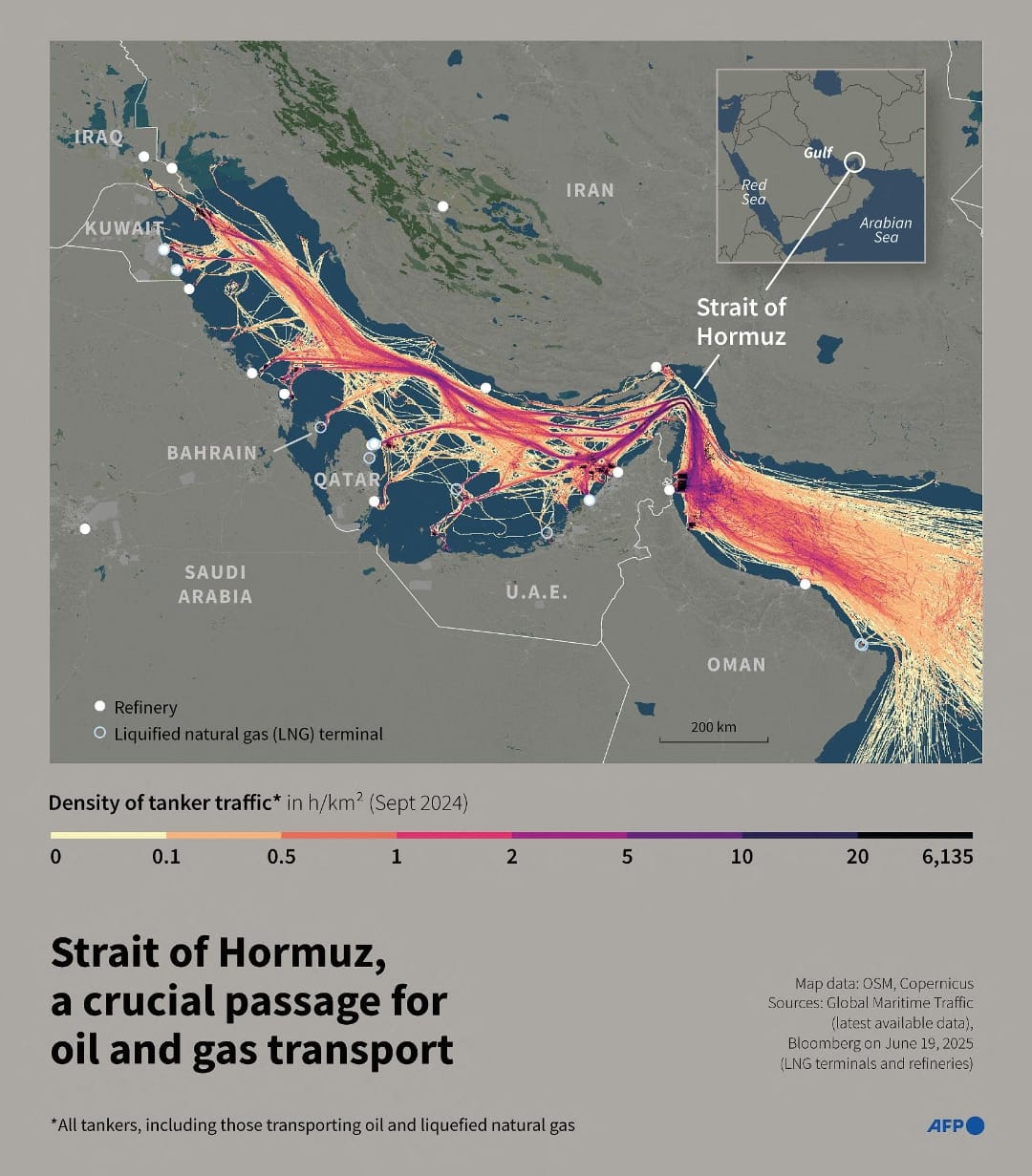
According to Reuters and Bloomberg, the closure of the Strait of Hormuz (shown in the map above) has already taken 20% of global oil supply offline. Iraq is on the verge of cutting 3 million barrels per day. Now, with Lebanon becoming a new front, the entire eastern Mediterranean is a war zone. The question “Could gas hit $5?” is on every American’s mind, and the answer depends on lebanon war oil prices 2026.
• Current US gas average: $3.55/gallon
• If war escalates: Could gas hit $5? Analysts say yes
• Iraq oil cut: 3+ million barrels/day imminent
• Qatar LNG: Halted (20% of global supply)
• Strait of Hormuz: 20% of world oil blocked
1. Lebanon Enters the War: Why Lebanon War Oil Prices 2026 Matters
Lebanon itself produces almost no oil. So why does its entry into the conflict raise the question, “Could gas hit $5?” The answer lies in the map above. Lebanon borders the eastern Mediterranean, but more importantly, it’s a symbol of the conflict’s expansion. What started as a U.S.-Iran confrontation has now drawn in multiple nations. The more countries involved, the higher the risk that the Strait of Hormuz remains closed, and that other shipping lanes become targets. This is why lebanon war oil prices 2026 is now a critical issue for American families.
The map clearly shows the Strait of Hormuz, the narrow passage between Iran, Oman, and the UAE. Every day, about 17 million barrels of oil pass through it. If that passage stays closed, the question isn’t just theoretical—could gas hit $5? It becomes a real possibility, and lebanon war oil prices 2026 could skyrocket.
2. The Numbers Behind “Could Gas Hit $5?” and Lebanon War Oil Prices 2026
Let’s look at the math. The current US average gas price is about $3.55/gallon. For gas to hit $5, we need an increase of about 40%. Here’s how that could happen:
- Oil at $100/barrel: Every $10 increase in oil adds about $0.25 to gas. Oil is currently near $90. At $100, gas approaches $3.80.
- Refinery margins: During crises, refineries add premiums. In 2022, margins added $1.00+.
- Fear premium: Markets price in uncertainty. With Lebanon in the war, that premium grows.
If oil hits $120 and refineries add their typical crisis margins, gas could absolutely hit $5. This is why experts are seriously asking, “Could gas hit $5?” and closely monitoring lebanon war oil prices 2026.
3. The Strait of Hormuz: Why This Map Matters for Lebanon War Oil Prices 2026
The map you see isn’t just a picture—it’s the most important energy choke point in the world. The Strait of Hormuz is bordered by Iran, Oman, and the UAE. The colored dots show refineries and LNG terminals. When the strait closes, 20% of global oil stops moving. That’s not a disruption—it’s a shock that directly impacts lebanon war oil prices 2026.
According to the U.S. Energy Information Administration, about 17 million barrels of oil pass through here daily. With the strait currently a war zone, those barrels aren’t moving. Iraq’s oil, which must pass through, is now stuck. That’s why the question “Could gas hit $5?” is being asked in every financial newsroom, and why lebanon war oil prices 2026 is trending.
4. Lebanon’s Role: Expanding the Conflict and Its Impact on Lebanon War Oil Prices 2026
Lebanon doesn’t export oil, but it’s now a battleground. Israeli strikes on Beirut, Hezbollah rockets on Tel Aviv—this is no longer a contained conflict. When a war spreads, so does its impact on energy markets. The more unstable the Middle East, the higher the risk premium baked into every barrel. This directly affects lebanon war oil prices 2026.
For American families, this means the question “Could gas hit $5?” depends on how far this war spreads. If it remains contained, maybe not. If it expands further, $5 gas becomes increasingly likely, and lebanon war oil prices 2026 will reflect that reality.
5. What This Means for Your Family Budget
Let’s assume gas does hit $5. What does that mean for you?
- Average driver: 12,000 miles/year, 25 mpg = 480 gallons. At $5 vs. $3.55, that’s an extra $696/year.
- Two-car family: Could easily exceed $1,000/year in added costs.
- Ripple effects: Higher gas means higher prices for everything—food, goods, services.
Use our Monthly Payment Calculator to see how these added costs affect your budget. Remember, lebanon war oil prices 2026 directly impact your monthly expenses.
6. Three Scenarios for Lebanon War Oil Prices 2026
Here are three ways this could play out, and how they answer “Could gas hit $5?”:
🟢 Scenario 1: Conflict Contains (30% chance)
If Lebanon’s entry is brief and the Strait reopens, oil could fall back to $70-80. Gas stays near $3.50. The question “Could gas hit $5?” fades, and lebanon war oil prices 2026 stabilize.
🟡 Scenario 2: Prolonged Regional War (60% chance)
If Lebanon, Iran, and Israel remain locked in conflict for months, oil could hit $120. Gas approaches $4.50-5.00. Could gas hit $5? The answer becomes “likely,” and lebanon war oil prices 2026 surge.
🔴 Scenario 3: Full Escalation (10% chance)
If Saudi Arabia or other Gulf states are drawn in, oil could exceed $150. Gas would hit $5 quickly, and could go higher. Could gas hit $5? It’s a certainty, and lebanon war oil prices 2026 reach unprecedented levels.
7. Practical Steps to Prepare for Rising Lebanon War Oil Prices 2026
While we can’t control the war, we can prepare for “Could gas hit $5?” becoming reality:
🚗 Transportation
- Combine trips: Reduce unnecessary driving.
- Maintain your car: Proper tire pressure and tune-ups improve mileage.
- Carpool or remote work: If possible, work from home 1-2 days/week.
💰 Financial Planning
- Review your budget: Use our Savings Goal Calculator to find areas to cut.
- Build an emergency fund: If gas hits $5, you’ll need a buffer.
- Lock in fixed rates: If you have variable-rate debt, consider refinancing. Use our Refinance Calculator.
The Bottom Line: Prepare for the Possibility of Soaring Lebanon War Oil Prices 2026
The question “Could gas hit $5?” isn’t alarmist—it’s a realistic scenario given the war’s expansion into Lebanon and the closure of the Strait of Hormuz. By understanding the risks and preparing your budget, you can protect your family from the worst. Monitoring lebanon war oil prices 2026 is essential for every American household.
Use our calculators to model different scenarios and find the best path forward. The situation is fluid, but your finances don’t have to be.
Frequently Asked Questions
⚠️ Important Disclaimers & Privacy
📊 No Data Storage: All calculations on Loan Logic Tool are performed 100% in your browser. We do not store, sell, or share any financial information you enter.
📈 Educational Purpose Only: This content is for informational and educational purposes only. It does not constitute financial advice. Loan Logic Tool is not a lender, broker, or financial institution. All scenarios are hypothetical.
⚖️ Accuracy & Liability: While we strive for accuracy using current 2026 data from sources like Reuters, EIA, and Bloomberg, energy markets are volatile and change rapidly. Prices and forecasts are estimates. You should always consult with a qualified financial professional before making major decisions.
🔗 External Links: This article may contain links to third-party websites. These are provided for your convenience and do not constitute an endorsement.
📅 Last updated: March 3, 2026. For our complete policies, see our Disclaimer & Privacy Page.
Sources & further reading: Reuters, Bloomberg, U.S. Energy Information Administration (EIA), Financial Times, Associated Press, and our own library at Loan Logic Tool including Monthly Payment Calculator and Savings Goal Calculator.
Ready to adjust your budget? → Try the Monthly Payment Calculator